
Wall coverings: types, advantages, and expert tips
When decorating a space,The floor is often the surface that receives the most attention. This prominent role is no coincidence. This is primarily because it is the covering that is most exposed to impacts, abrasion, and traffic. A situation that causes a large part of the effort, and also of the budget, to be poured into getting the choice of the material that covers said pavement right.
However, we must not neglect the decoration of walls and other vertical surfaces. Because even though they do not suffer from the same wear and tear as floors, the wall coverings constitute one of the most powerful elements aesthetically. A differentiating component that will give even more personality and sophistication to the room you want to renovate.
Decorating a wall is not limited to painting it with colors that are currently in style. You have to go further. Because although it remains a more than valid alternative to use as wall covering, the range of possibilities it is practically limitless. To choose one coating or another, a series of considerations must be taken into account.
It is necessary to consider, among other things, which wall covering best matches the decorative style of the space, as well as the maintenance and cleaning it requires, or whether it fits within or exceeds the available budget.
In this article we are going to talk at length about which wall coverings are the most used and why. We will delve into the main characteristics and advantages of each one of them as well as in the expert advice. Recommendations that will help you choose the material that best fits your needs. Ready?
What is wall cladding?
The coating of wall It is a type of material what is applied on vertical surfaces in order to decorate and protect it. A coating that can be applied in interior spaces as well as on exterior facades, according to the needs and preferences of each individual.
There are wall coverings out the wazoo. Marble, ceramics, or microcement are just some of the most popular. Depending on the characteristics of each one, it is necessary to apply one or more coats, consequently changing the final appearance. Not to mention that the additional advantages vary greatly from one coating to another. That is why it is so important to carefully weigh the pros and cons of each wall covering on an individual basis.
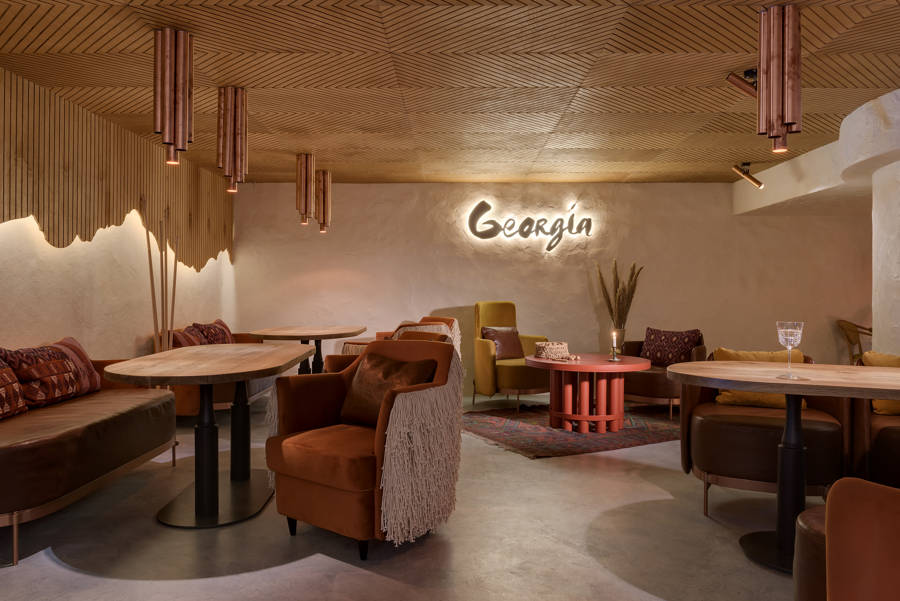
Tips for choosing wall coverings. The experts are speaking!
There are all kinds of wall coverings so that the walls of a house, office, or any commercial space can feature all kinds of materials that exude style and elegance. However, for experts, one of the main issues to weigh is correctly determining the finishes of the different rooms. The goal is none other than ensuring that the materials applied to the walls are pleasing to the eye.
An anything but simple task considering the number of options the market offers. A whole world to discover where material quality, budget, aesthetics, and project execution deadlines are fundamental. Below, we will elaborate on the main issues that experts recommend analyzing in detail to choose the ideal wall cladding. Pay attention!
Define the wall covering aesthetics
What is the aesthetic you are looking for? That is the first question you must answer before choosing one wall covering over another. Since each one provides a very characteristic and personal decorative finish. Relying solely on material strengths is a mistake for experts, since the final result can differ greatly from what is expected.
Not all materials represent different decorative styles in the same way. For example, to create a rustic style, opting for wall coverings such as wood or stone is a safe bet. Similarly, to create a Mediterranean style, Venetian plaster can be a great idea, and microcement for a more minimalist and avant-garde decoration.
Consider the maintenance required by the wall cladding
It is just as important to carefully evaluate the aesthetics as it is the maintenance that each wall covering requires once it has been installed. If this factor doesn't worry you, you can easily decorate the walls with natural wood, stone or brick, whose cleaning and maintenance are more demanding.
Instead, if your priority is to combine aesthetics with a minimal maintenance and cleaning, you must search among wall coverings that are continuous and whose absence of joints minimizes the process. Materials like the microcement they can become your best allies.
Ensure the durability and comfort of the wall covering
When choosing the wall covering We need to think long-term. This translates to material durability: the likelihood of fissures and cracks appearing over time, whether it will lose its color, or if a repair will be necessary for it to remain in perfect condition.
Similarly, we must not forget the thermal comfort and also the acoustic comfort offered by each of the wall coverings available on the market. Do they provide soundproofing? Are they thermal insulators? Do they resist moisture? And temperature changes? Since believing that “dressing” the walls serves a purely decorative function Not only is it a mistake, but it can lead to very unpleasant problems in the future.
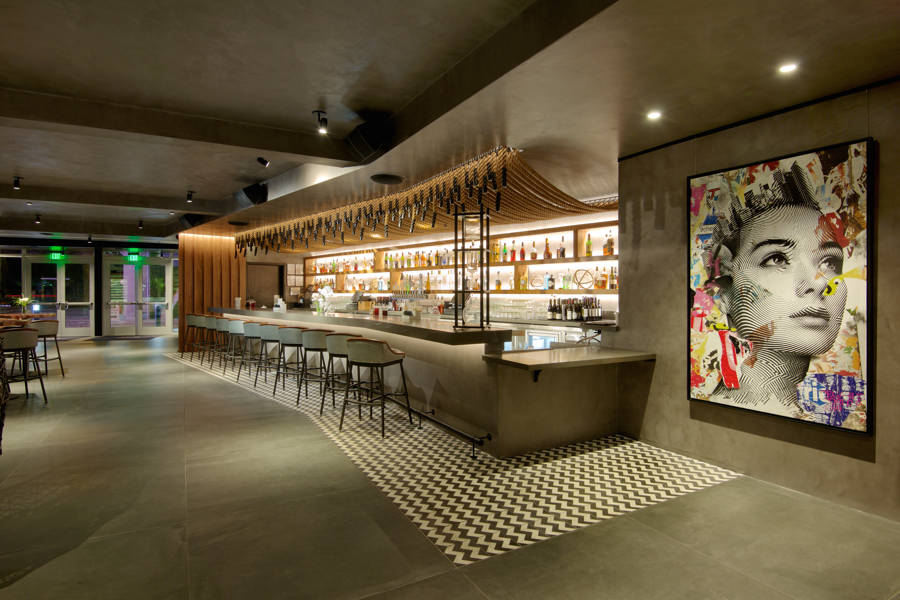
Choose a wall cladding that is quick and easy to install
Time is money. In this sense, having wall coverings that are simple and quick to install narrows down the list of possibilities. And if, at the same time, they guarantee top-quality technical performance, it makes the final choice much, much easier.
Microcement, for example, is a wall covering that meets all those requirements. It is quick and easy to apply, as well as having excellent resistance. It is a thin material that adheres to the existing wall without the need for construction work. It is compatible with drywall, plaster, marble, and tiles, some of the most common wall coverings.
Choosing a wall covering that fits the budget
For the end, we have left one of the most momentous factors When choosing one wall covering or another: the price. The quality of the material, the dimensions and complexity of the work, the execution time required by the professional to carry it out, whether or not the existing wall material needs to be removed, etc.
In this sense, some of the most expensive wall coverings are stone, natural wood, or ceramics. This is a cost that is reduced compared to tiles, PVC, or microcement, among others.
What are the most widely used wall coverings? Take note!
The selection of a wall covering is subordinate to the needs required by each space. While decorating a bathroom requires a material that is waterproof and resistant to ambient humidity, the requirements for a living room or a hallway are not even remotely similar. Below, we will detail the advantages of the wall coverings that are currently in highest demand. This list includes porcelain tiles and stoneware, wood or natural wood panels, wallpaper, brick, stone, Venetian plaster, polished concrete, and microcement. Here we go!
Porcelain tiles and stoneware, classic wall coverings among classics
Porcelain tiles and stoneware are two of the most traditional wall coverings but also one of the safest. Betting on them is always a success, especially in rooms of the home like bathrooms and kitchens thanks to the resistance they provide against moisture or stains.
Wall coverings that have evolved over time in terms of colors and textures of the plates. This innovation makes it possible for everyone to decorate any space very creatively, creating the most refined and exquisite environments. On the other hand, since they have joints, they are two materials that require continuous cleaning and maintenance due to the accumulation of dirt. In addition, construction work must be carried out and machinery is required to install them.
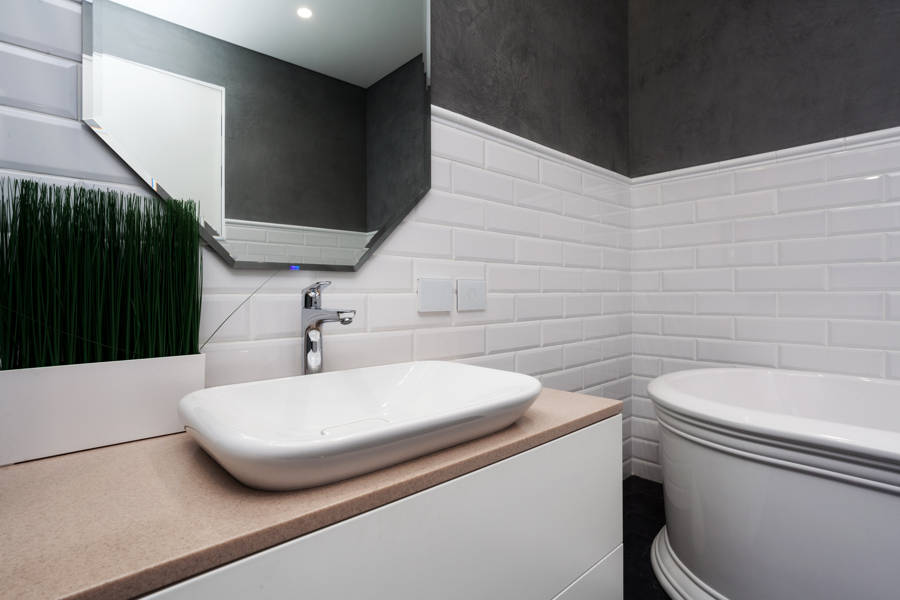
Wallpaper, a “simple” wall covering that never gets tiring
If searched speed in application without sacrificing a modern aesthetic, wallpaper is the ideal wall covering. There are as many colors and patterns as there are decorating styles. Finding one that fits the dream atmosphere couldn't be easier. The best part? It's impossible to get tired of it. If you do, you just have to remove it and replace it with a new one. Very convenient, right?
If you dare to use wallpaper as a wall covering, you should know that there are several types. On the one hand, there is the lining paper, which is the one used when the wall presents some type of irregularity or has been previously painted with a paint, redundancy aside, in poor condition.
The non-washable wallpaper it is the most economical. But on the downside, it is a wall covering that is not very resistant and therefore not recommended at all for use in bathrooms or kitchens. This is because it is a coating that absorbs moisture and, if it gets stained, is very difficult to fix.
But, you'll be glad to know, there is also a wallpaper what is it washable. And yes, as you can imagine, it is one of the most in-demand. It resists room humidity, scuffs, and stains. Advantages that make this wall covering highly recommended not only for bathrooms and kitchens, but also for high-traffic areas.
And to finish vinyl wallpaper, a much more durable wall covering than its predecessors because it is highly resistant to moisture and stains. In addition, it can be easily washed with a damp soft cloth. Resistance and ease of cleaning. And many, many models to choose from capable of teleporting you anywhere due to their striking designs.
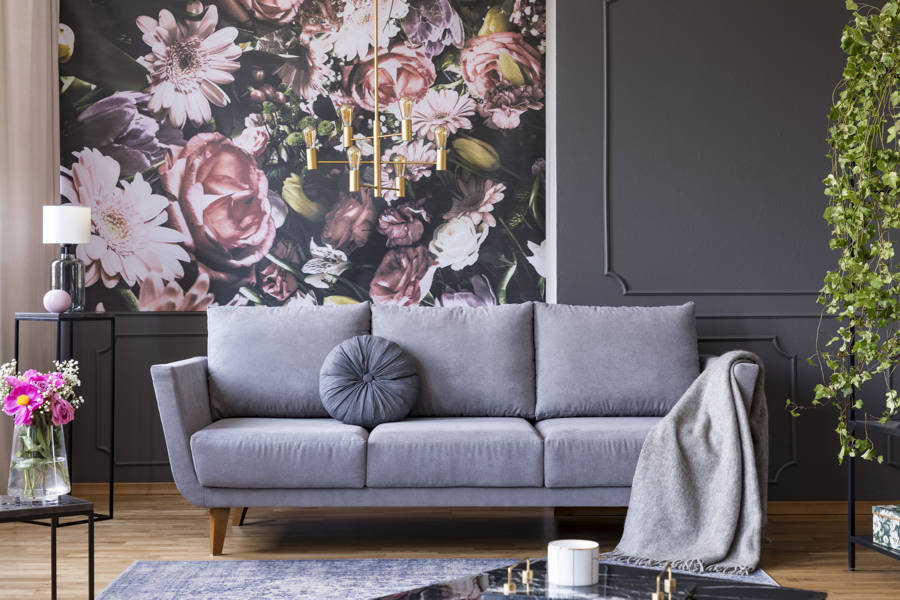
La modernidad y elegancia de la piedra como revestimiento de pared
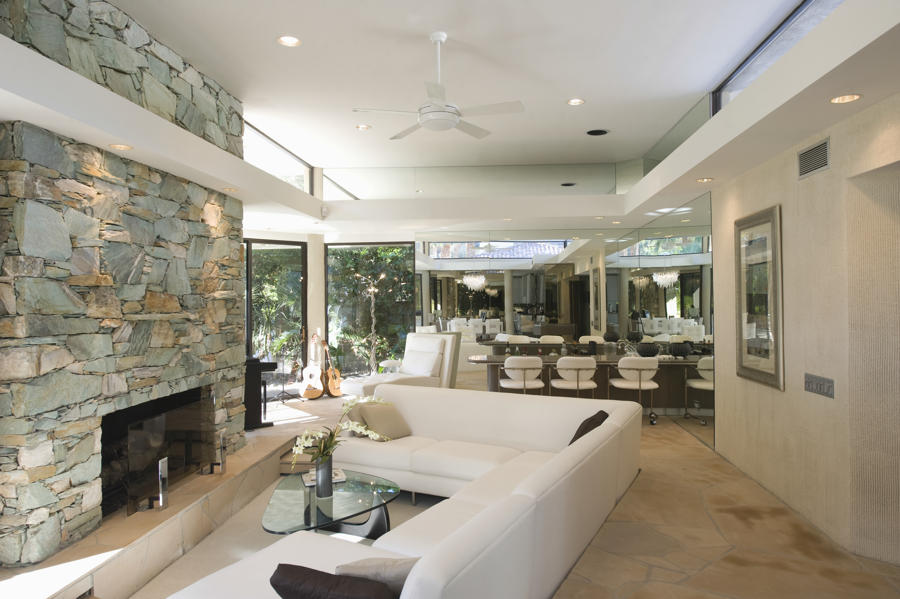
Un proyecto con la piedra como revestimiento de pared es sinónimo de personalidad propia. Un material que aporta un encanto y aura especial a las viviendas construidas antaño a la par que las estancias que incorporan este acabado.
Uno de los revestimientos de pared que ofrece acabados modernos y elegantes como pocos, pero que destacan gracias a sus extraordinarias bondades. Como su capacidad aislante para disminuir la intensidad de los sonidos o la de mantener la temperatura dentro del interior de la estancia.
Un material para nada poroso y, por tanto, que evita la humedad a toda costa así como la proliferación de bacterias. La durabilidad y su carácter ignífugo son otros de los beneficios más destacados de un revestimiento de pared que nunca pasa de moda. Una apuesta a largo plazo pero que, en el caso de la piedra natural, hay que recordar que es un recubrimiento más caro en comparación a otros.
Un recurso decorativo que tiene la capacidad de transformar por completo una estancia ocupando apenas unos pocos metros. No obstante, los expertos recomiendan que en el caso de utilizar este revestimiento de pared se haga de manera comedida para impedir que el espacio quede demasiado recargado.
Ladrillo: el revestimiento de pared made in New York
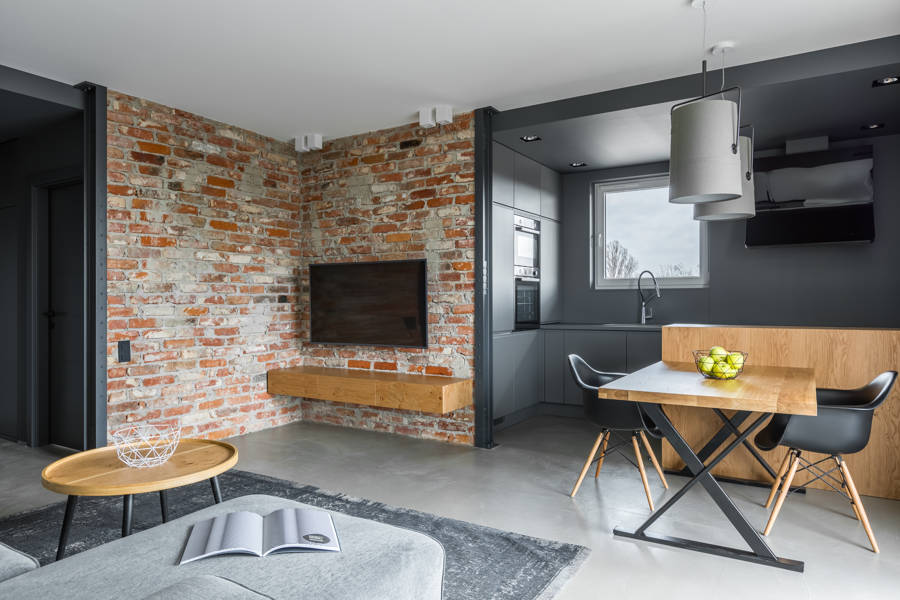
El estilo decorativo del loft neoyorquino se remonta a los años 40, cuando el excesivo precio de las rentas obligó a que los locales comerciales se reconvirtieran en viviendas. Una optimización de los recursos por aquel entonces, una tendencia decorativa que arrasa por donde pasa en la actualidad.
Y es que la influencia del loft estilo neoyorquino sigue muy presente gracias al uso del ladrillo como revestimiento de pared. Un material que favorece la creación de espacios diáfanos, industriales y auténticos. Un recubrimiento que puede parecer a priori sencillo pero que impregna de carácter cualquier estancia.
Seguirán pasando los años y el ladrillo vista continuará siendo un revestimiento de pared muy estiloso. Sobre todo si se utiliza para configurar una pared acento y que el contraste con el resto de la estancia sea más impactante si cabe.
Las principales ventajas del ladrillo son su bajo mantenimiento, su durabilidad, su capacidad de proporcionar una barrera de sonido, su resistencia al calor así como la gran variedad de colores que hay.
Sin embargo es un revestimiento de pared bastante difícil de reparar cuando se daña, ya que no es tarea sencilla reemplazar un único ladrillo sin tener que quitar toda la pared al completo. Una contra a la que hay que agregar que la acumulación de humedad puede desencadenar con el paso del tiempo que el ladrillo termine quebrando.
Microcemento, el revestimiento de pared con más recursos
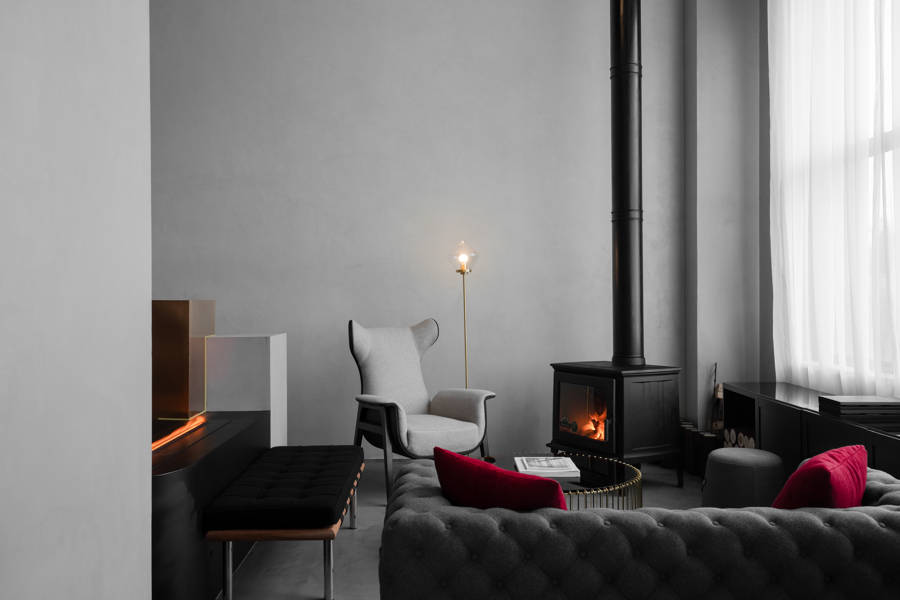
Podemos afirmar con rotundidad que el microcemento es el revestimiento de pared más versátil que existe. Motivos no le faltan. Empezando por su ausencia de juntas y obras, lo que permite que se pueda colocar sobre casi cualquier material sin generar escombros y pagar la mano de obra correspondiente. Esto permite que el espacio en el que se aplique pueda continuar siendo habitable durante un proceso mucho más rápido que otros materiales.
En apenas unos días, podrás estar disfrutando del nuevo revestimiento de pared de microcemento. Un valor añadido que arquitectos y decoradores explotan para la remodelación de grandes emplazamientos como centros comerciales, hoteles y restaurantes.
Asimismo, es un material muy resistente y que no fisura con el paso del tiempo, por lo que apostar por elmicrocemento en paredes es tener la garantía de un recubrimiento en perfectas condiciones para mucho, mucho tiempo. Las texturas también son de lo más variadas, ya que según el tipo de aplicación que el profesional lleve a cabo se pueden crear efectos visuales de lo más diferentes. Acabados decorativos con efecto aguas, con mayor o menor relieve, que se parezcan al estuco cal, al cemento pulido, etc.
La gran variedad de colores de este revestimiento de pared responde también en gran medida a la popularidad que ha ido adquiriendo en los últimos años, a la par que los acabados impermeables que se le pueden conferir. Precisamente por ello se utiliza tanto en baños y cocinas.
Pintura efecto óxido, un revestimiento de pared en tendencia
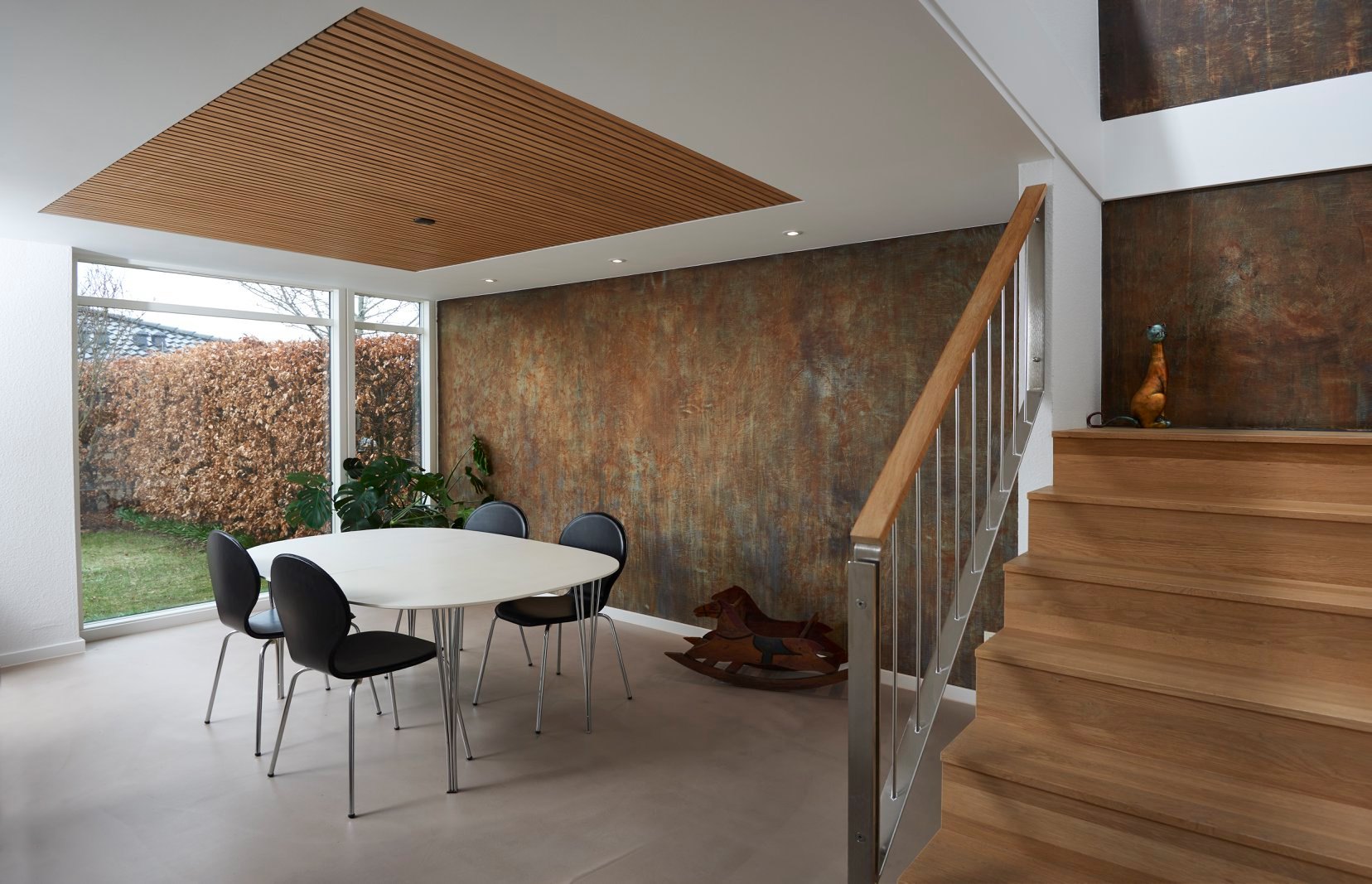
El acabado oxidado fusiona lo nuevo con lo viejo. Una combinación de plena tendencia en interiores por las inmensas posibilidades decorativas que ofrece. Se pueden obtener desde estilos más clásicos y rústicos hasta ambientes más industriales y modernos.
Un aspecto de envejecido natural y vintage que se ha convertido en un recurso decorativo cada vez más demandado como revestimiento de pared. No solo en viviendas, sino en grandes negocios como restaurantes y hoteles que logran crear un elemento estético de ruptura que atrae todas las miradas.
Un efecto muy fácil y rápido de lograr gracias a una buena pintura efecto óxido. Un producto que dotará a las paredes revestidas de un diseño singular, natural y muy duradero. Pero no solo en espacios interiores. También en exteriores creando fachadas de lo más imponentes.
En Topciment hemos desarrollado Classic Mettal, una pintura efecto óxidolista al uso que destaca por su extraordinaria adherencia y durabilidad. De alta adherencia al soporte, puede aplicarse como revestimiento de pared sobre multitud de soportes: microcemento, hormigón, metal, ladrillo, yeso, etc. Los acabados finales son sencillamente espectaculares, puesto que Classic Mettal está formulada con partículas metálicas de cobre, hierro, bronce y latón.
Estuco veneciano, un revestimiento de pared con mucha tradición
El refrán de “toda moda del pasado vuelve” no puede ser más cierto. Es el caso del estuco veneciano, un revestimiento de pared que surgió en Venecia en el siglo XV y que no es que haya vuelto, es que nunca se ha ido.
El efecto mármol que se consigue con el estuvo venecianocontinúa siendo uno de los acabados decorativos más demandados por su belleza. Un acabado de lo más interesante y original que a su vez dota de elegancia y sofisticación a la estancia en la que se aplica.
Gracias a su textura artesanal y brillante, se consigue un acabado de alta decoración muy lujoso. Pero más allá de su estética, lo que dignifica al estuco veneciano como revestimiento de pared es su durabilidad y resistencia. Por eso puede utilizarse en salones, dormitorios, recibidores y hasta cuartos de baño, para los más atrevidos.
Paneles de madera o madera natural, el revestimiento de pared que cotiza al alza
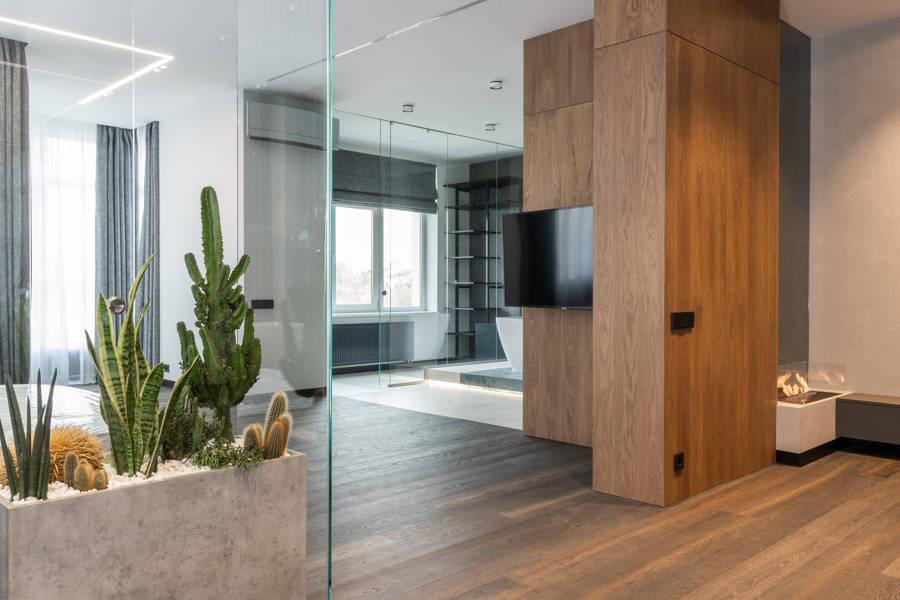
La madera es uno de los revestimientos de pared más solicitados. Un material que casa a la perfección con todo tipo de materiales y que hace más acogedora la estancia en la que se incorpora. Un recubrimiento que transmite calidez, armonía y equilibrio entre todos los elementos.
Se pueden elegir tipos de madera de lo más dispares para utilizarse como revestimiento de pared. El roble, el pino o el nogal son solo algunas de las múltiples alternativas disponibles. Solo hay un pero. Todas las maderas naturales exigen una serie de cuidados especiales mediante productos específicos que doten de brillo y resistencia al recubrimiento. Por no hablar de que son más caras.
Por ello, la demanda de materiales que imitan a la madera natural se está disparando en el mercado. Laminados cuyos acabados se asemejan considerablemente pero que tienen la ventaja de no ser tan exigentes en el mantenimiento. Y mucho más baratas.
Topciment, expertos en la fabricación de revestimientos de pared
En Topciment llevamos cerca de dos décadas fabricando soluciones decorativas de lo más variadas, entre ellos revestimientos de pared: microcemento, microcemento epoxi, pinturas metálicas, pinturas con efecto óxido, veladuras…
No dudes encontactar con nosotrospara que nuestros técnicos comerciales puedan asesorarte sobre cuál es el revestimiento de pared que más se ajusta a tus necesidades.
0 Comments